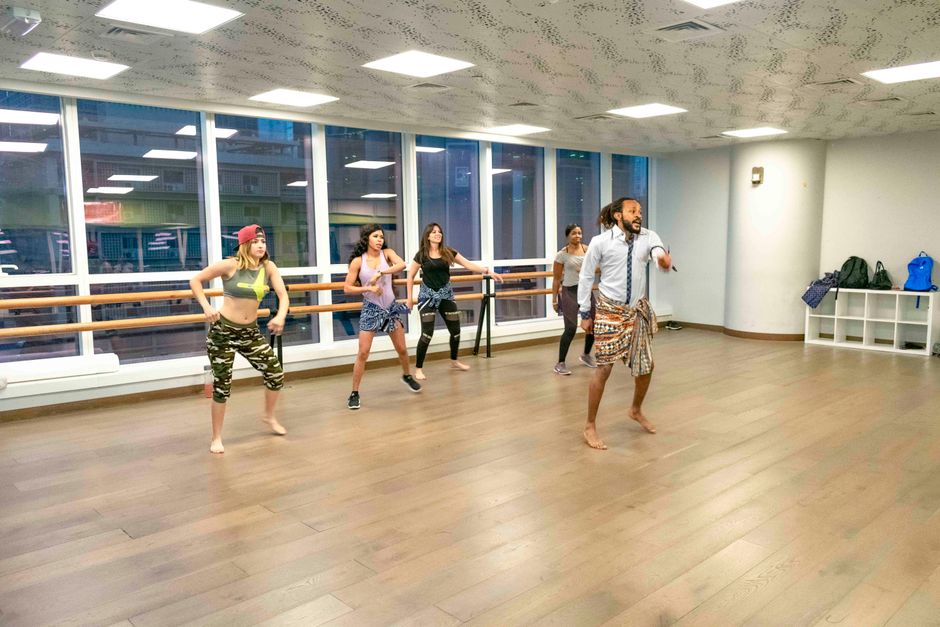
How Care to Dance Balmain Built a Loyal Community and Sustainable Small Business in Sydney's Inner West
In Sydney's inner west, the small businesses that endure aren't built on ad spend or viral moments — they're built on trust, repetition, and a genuine sense of belonging. Care to Dance Balmain is one of the clearest examples of that formula working in practice: a boutique dance studio that turned community connection into a defensible, sustainable business in one of Sydney's most character-rich suburbs.
How Care to Dance Balmain Got Its Start in the Inner West
Care to Dance Balmain didn't arrive with a flashy launch campaign or a venture-capital war chest. Like many of the most enduring small businesses in suburbs such as Balmain, Rozelle and Leichhardt, it grew organically — shaped by the neighbourhood it serves and the genuine passion of the people who founded it.
Balmain itself is a compelling backdrop for a community-first business. The suburb sits on a peninsula in Sydney's inner west, known for its village atmosphere, independent retailers and a demographic that actively chooses local over corporate. For a dance studio, that environment is fertile soil. Residents here aren't just looking for a class — they're looking for a place to belong.
Care to Dance Balmain launched by addressing a gap that larger, franchise-style studios often overlook: the need for inclusive, welcoming movement classes that serve people at different life stages, not just competitive dancers or fitness obsessives. This positioning — part wellness offering, part social anchor — mirrored a broader shift happening across the creative and movement arts world. Even mainstream culture began embracing joyful, uninhibited dance, exemplified by viral moments from performers like Sabrina Bahsoon, whose unself-conscious style resonated with millions.
From a business perspective, starting small in a tight-knit suburb like Balmain carries real strategic advantages. Overheads can be managed carefully, word-of-mouth is powerful, and customer loyalty compounds faster than in transient, high-footfall locations. Care to Dance Balmain understood this from the outset — and built accordingly.
Building a Loyal Community Through Inclusive Dance Programs at Care to Dance Balmain
One of the clearest indicators of a sustainable small business is the ability to turn first-time customers into long-term advocates — and Care to Dance Balmain has done exactly that. Rather than chasing volume enrolments, the studio deliberately built its reputation around inclusivity, offering structured programs that welcome dancers of all ages, abilities, and experience levels.
From a business perspective, this approach addresses one of the trickiest challenges in the fitness and performing arts sector: retention. Generic dance studios often see high drop-off rates after initial trial periods. Care to Dance countered this by creating program pathways that give students a clear sense of progression, belonging, and purpose — powerful psychological drivers that keep people coming back term after term.
Key elements that have strengthened community loyalty include:
- Age-appropriate and mixed-ability classes that remove the intimidation barrier common in competitive dance environments
- Regular showcases and community events that give students achievable performance goals and bring families into the studio's orbit
- A welcoming inner west culture that mirrors the broader Balmain community's values around creativity, diversity, and local connection
- Consistent, familiar instructors who build genuine relationships with students over time
For anyone evaluating small business models in the wellness and lifestyle space, this is a textbook example of how community investment delivers compounding commercial returns. Word-of-mouth referrals in tight-knit suburbs like Balmain carry enormous weight, and a single loyal family can generate multiple enrolments across siblings, friends, and neighbours.
The takeaway for prospective business owners is straightforward: niche positioning combined with genuine community focus reduces your dependency on expensive customer acquisition and builds a more defensible, resilient revenue base over time.
The Business Model That Keeps Care to Dance Balmain Sustainable
What makes Care to Dance Balmain genuinely worth studying — from a business perspective — is not just the warm community it has cultivated, but the practical revenue architecture sitting underneath it. For anyone exploring small business ideas in Sydney's inner west, this model offers a clear template for longevity over flash growth.
Recurring Revenue Through Membership and Term Enrolments
Rather than relying on casual drop-in classes, Care to Dance Balmain structures its enrolments around school-term commitments. This single decision does several things at once:
- Predictable cash flow — term fees paid upfront smooth out the income volatility that kills many small studios
- Lower churn — students who commit for a term are far more likely to re-enrol than those paying week to week
- Easier staffing and scheduling — knowing class numbers in advance removes the guesswork from payroll and room bookings
This is textbook recurring-revenue thinking applied to a service business — exactly the kind of model that buyers and investors find attractive when evaluating a business's worth. If you want to understand why recurring income matters so much in a valuation context, the guides library at Businesses Opportunities covers business valuation fundamentals in plain English.
Keeping Overheads Lean Without Compromising Quality
Operating from a single, well-located Balmain studio keeps fixed costs manageable. Rather than expanding to multiple sites — a move that often stretches small operators dangerously thin — the focus has stayed on deepening value within one community. A modest but loyal student base generates strong word-of-mouth referrals, reducing the need for paid acquisition.
For founders thinking about building something similarly resilient, or buyers assessing what makes a boutique fitness or wellness studio acquirable, feel free to get in touch — it's the kind of deal worth understanding before you move.
Word-of-Mouth, Local Partnerships, and Grassroots Marketing at Care to Dance Balmain
For many small businesses, the marketing budget is tight — and for Care to Dance in Balmain, that constraint turned out to be a genuine competitive advantage. Rather than leaning on paid advertising, the studio built its reputation almost entirely through word-of-mouth referrals and hyperlocal community engagement. In Sydney's inner west, where neighbours still talk to each other at the local café or school gate, that approach pays real dividends.
Several grassroots strategies stand out as particularly effective for businesses looking to replicate this kind of organic growth:
- Community event participation: Showing up at Balmain markets, school fetes, and inner west festivals put the brand in front of families who were already primed to support local.
- Strategic local partnerships: Collaborations with nearby childcare centres, primary schools, and health and wellness practitioners created a steady referral pipeline without significant spend.
- Student showcase events: End-of-term performances gave existing families a reason to invite friends, essentially turning every recital into a low-pressure recruitment event.
- Social proof on social media: Authentic, parent-shared content on Facebook and Instagram consistently outperformed any paid posts, reinforcing the studio's warm community reputation.
From a business valuation perspective — relevant to anyone considering buying or selling a similar venture — this kind of community goodwill is a genuine intangible asset. A loyal, referring customer base reduces customer acquisition costs dramatically and signals strong retention rates to prospective buyers.
The core lesson for other inner west small businesses? Grassroots marketing is not the consolation prize when budgets run dry. When executed consistently, it builds the kind of deep local trust that no Google Ad campaign can easily replicate — and it creates a brand moat that meaningfully increases long-term business value.
How Care to Dance Balmain Navigates Staffing and Teacher Retention
One dimension that often goes unexamined in boutique studio success stories is the challenge of building and keeping a reliable teaching team. For Care to Dance Balmain, instructor continuity isn't a back-office detail — it's a core part of the value proposition. Families return term after term partly because their children know and trust the person standing at the front of the room. Disrupting that relationship, even once, can trigger cancellations that take seasons to recover.
The studio's approach to this challenge reflects the same community-first philosophy that shapes everything else it does. Rather than treating teachers as interchangeable contractors, Care to Dance invests in creating a working environment where instructors feel genuinely valued — through flexible scheduling that respects the portfolio careers common in the performing arts, clear communication about class expectations, and a studio culture that makes teaching there feel worthwhile beyond the hourly rate. The result is lower turnover than the industry average, which in turn protects the student relationships that underpin the whole business. For any founder in the wellness or education space, this is a reminder that staff retention and customer retention are rarely separate problems.
Lessons Other Small Businesses Can Learn from Care to Dance Balmain
The growth of Care to Dance Balmain offers a practical masterclass for any small business owner in Sydney's inner west — or anywhere in Australia — looking to build something genuinely sustainable. Whether you're evaluating a business to buy or trying to add value before a sale, these principles translate directly to the bottom line.
- Community before transactions. Care to Dance built relationships first and revenue followed. Small businesses that invest in belonging — not just selling — create the kind of customer loyalty that no paid advertising can replicate.
- Niche down, then own it. Rather than competing broadly, they served a specific audience with specific needs. A clearly defined niche makes a business easier to market, easier to value, and far more defensible against competition.
- Recurring revenue is your foundation. Term enrolments and ongoing class structures create predictable cash flow — something any business buyer or lender wants to see. If your model is purely transactional, explore how to introduce subscriptions or retainer-style offerings.
- Local identity is a genuine asset. Being embedded in Balmain's culture wasn't incidental — it was strategic. Businesses that become part of a neighbourhood's story earn word-of-mouth that money simply can't buy.
- Keep overheads lean and flexible. A sustainable model doesn't require a sprawling operation. Smart use of space, staff, and scheduling keeps margins healthy and the business resilient through quieter periods.
Why This Model Has Real Business Value
From a pure business-valuation perspective, these qualities — recurring income, brand loyalty, community reputation, and low churn — make a studio like this highly attractive to buyers and investors alike.
The story of Care to Dance Balmain is ultimately proof that a small business built on genuine connection and disciplined fundamentals can thrive in one of Sydney's most competitive local markets. For founders, buyers, and sellers across Australia, the lesson is clear: sustainable growth rarely comes from shortcuts — it comes from showing up consistently for the people you serve.