How to Start a Small-Batch Perfume Business From Home in Australia: Costs, AICIS Rules, Labelling, and Ready-Made Formulas
Launching a perfume business from home sounds glamorous, and it can be, but before you uncork your first bottle, you need a clear-eyed look at the numbers, the regulations, and the shortcuts (like ready-made fragrance formulas) that can shave months off your timeline.
What It Actually Costs to Start a Small-Batch Perfume Business at Home in Australia
The honest answer is: less than most people fear, but more than a few YouTube tutorials imply. Here's a realistic breakdown of what Australian founders are spending to get a home-based fragrance range off the ground.
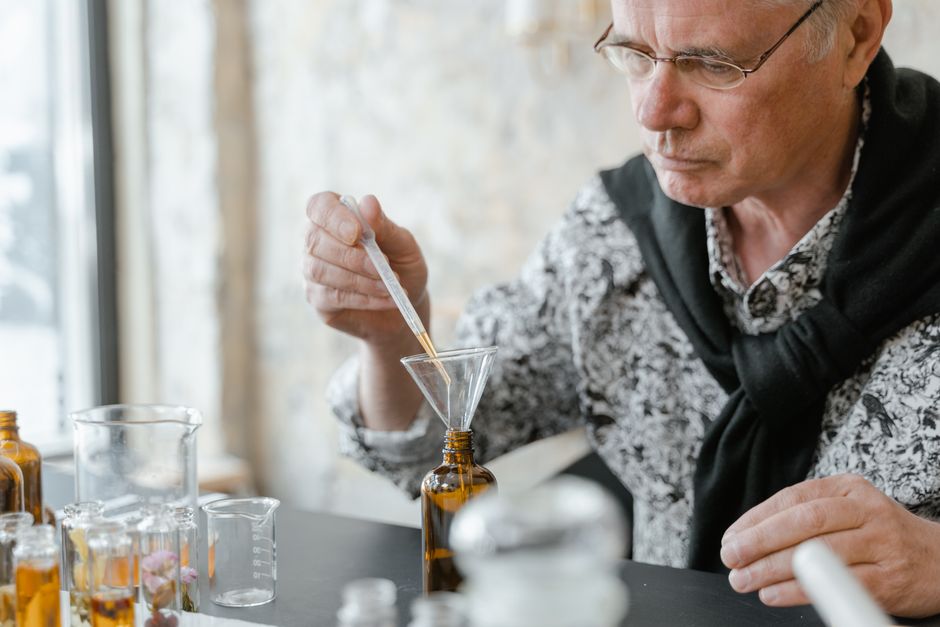
- Raw materials and supplies, $300 to $800: Carrier alcohol (cosmetic-grade ethanol), fragrance oils or essential oil blends, pipettes, beakers, and small amber or clear glass bottles. Buying in modest quantities keeps risk low while you test the market.
- Ready-made fragrance formulas, $0 to $400: Purchasing pre-developed, tested formulas from reputable suppliers can dramatically cut your development costs compared to building scents from scratch. Many suppliers include usage rates and safety data, which matters enormously for compliance.
- Labelling and packaging, $200 to $600: Professional labels, boxes, and tissue paper. This is where many home producers under-invest, and where customers judge quality instantly.
- AICIS registration and compliance, $0 to $500+: Most home perfumers start with ingredients already listed on the Australian Inventory of Chemical Substances, keeping costs low. We cover this in detail later in the article.
- Market stall fees, $50 to $200 per event: A typical entry point for testing your range with real buyers before committing to an online store.
Total realistic start-up range: $600 to $2,500. That's a fraction of what it costs to buy into a franchise, and far less than Paris Hilton reportedly spent developing her first celebrity fragrance empire. Small-batch is genuinely accessible, provided you plan each cost category carefully from day one.
Navigating AICIS Rules and Cosmetic Labelling Requirements
Before you bottle your first batch, whether you've developed your own scent from scratch or used ready-made fragrance formulas to get to market faster, you need to understand the regulatory framework that governs cosmetics in Australia. Getting this wrong can mean fines, forced recalls, or having your products pulled from a market stall before lunchtime.
What AICIS Means for Home-Based Perfumers
The Australian Industrial Chemicals Introduction Scheme (AICIS) replaced the old NICNAS system in 2020. Under AICIS, most fragrance ingredients used in cosmetics fall under a tiered introduction scheme. The good news for small-batch makers is that many standard cosmetic fragrance ingredients are classified as exempt or reported, meaning you won't need to lodge a full assessment before using them, but you do need to confirm each ingredient's classification before you start selling. The AICIS Chemical Register is your first stop.
Mandatory Labelling Under the Trade Practices (Consumer Product Information Standards) Rules
Australian cosmetic labels must comply with the Trade Practices (Consumer Product Information Standards) Cosmetics 2020 instrument. For a perfume or eau de toilette, your label must include:
- A full ingredient list in descending order of concentration, using INCI (International Nomenclature of Cosmetic Ingredients) names
- Net weight or volume
- The responsible supplier's name and Australian address
- A batch code for traceability
- Any required warnings (for example, "flammable" for alcohol-based products)
Fragrance ingredients can be listed collectively as "Parfum" under INCI rules, which protects your formula, a welcome relief for makers who invest time developing original blends or adapting ready-made fragrance formulas into something distinctly their own.
Keeping a product information file (PIF) for each SKU is best practice even when not strictly mandated, as retailers and market organisers increasingly ask for documentation before allowing cosmetic products on their shelves.
How Ready-Made Fragrance Formulas Help You Launch a Range Faster
One of the biggest bottlenecks for new perfume makers is formula development. Creating a balanced, stable scent from scratch can take months of testing, ingredient sourcing and, often, expensive trial and error. This is exactly where ready-made fragrance formulas change the equation. Instead of starting with a blank blotter, you begin with a professionally tested recipe and spend your energy on branding, packaging and finding your first customers.
What Ready-Made Fragrance Formulas Actually Include
A good pre-developed formula typically specifies:
- Ingredient percentages: the exact ratio of top, heart and base notes
- Carrier and solvent recommendations: usually perfumer's alcohol or a cosmetic-grade carrier oil
- Usage rate guidance: how much fragrance concentrate to blend into your final product
- Stability notes: whether the formula has been assessed for skin safety or candle application
Suppliers across Australia and internationally offer demo or starter formulas (some free, some bundled with ingredient purchases) specifically aimed at small-batch makers who want a reliable launching pad.
The Business Case for Skipping From-Scratch Development
From a pure start-up cost perspective, buying or licensing a ready-made formula can compress your pre-launch timeline from six months to a matter of weeks. That matters when you are aiming to test the market at a weekend market stall before committing to a larger production run or AICIS registration costs.
The key discipline is still required: you need to verify that any formula you use meets Australian cosmetic ingredient standards, document your supplier's safety data, and label your finished product correctly. A formula shortcut is not a compliance shortcut, but it is absolutely a legitimate, smart way to get a credible range onto shelves faster.
Pricing Your Perfumes to Cover Costs and Make a Profit Using Ready-Made Fragrance Formulas
One of the biggest mistakes new perfume makers make is pricing on gut feeling rather than numbers. Whether you're using ready-made fragrance formulas or developing your own from scratch, your retail price needs to account for every dollar that goes into the bottle, and then some. Here's a practical framework built for the Australian small-batch market.
Calculate Your True Cost of Goods (COGS)
Add up every input cost per unit:
- Fragrance materials or formula concentrate: ready-made formulas often reduce this cost significantly, since R&D time is eliminated
- Carrier alcohol (cosmetic-grade ethanol)
- Bottle, cap, and sprayer
- Label printing and AICIS-compliant packaging
- Postage satchels or market stall consumables
- A proportional share of registration fees and insurance
Apply a Realistic Markup
A common starting point for handcrafted cosmetics in Australia is a 3× to 5× markup on COGS. If your 50 mL bottle costs $12 all-in to produce, a retail price of $48–$60 sits comfortably within what market shoppers and online buyers expect to pay for an artisan scent. Premium branding, a strong story, or an exclusive accord can justify the higher end of that range.
Don't forget GST. If your annual turnover exceeds $75,000 you'll need to register for GST and add 10% on top, build this into your pricing model from day one, not as an afterthought.
Market vs. Online Pricing
Your price should be consistent across channels, but factor in marketplace fees (Etsy charges roughly 6.5% per transaction) and stall hire when setting your floor price. If the numbers don't work at a market, they won't work online either. For more business-building frameworks like this, browse the guides on this site, or get in touch if you'd like tailored advice.
Selling at Markets and Online: Using Ready-Made Fragrance Formulas to Launch Faster
One of the biggest bottlenecks for new home perfumers is having enough product ready to sell before a market date or an online store launch. This is where starting with pre-developed fragrance formulas gives you a real competitive edge: you spend less time in the lab and more time building the business side of things.
Selling at Australian Markets
Farmers markets, artisan fairs and pop-up events are still some of the best places to move small-batch fragrance in Australia. Before you book a stall, tick off these essentials:
- Public liability insurance: most market organisers require a minimum of $10 million cover.
- Compliant labelling: your bottles must display the INCI ingredient list, net volume, your business name and any required allergen warnings before they leave your bench, not just before a market inspector shows up.
- Payment setup: a Square or Stripe reader keeps transactions smooth; Australians rarely carry cash at artisan markets anymore.
- Sampling strategy: fragrance strips (mouillettes) cost almost nothing and dramatically lift conversion on the day.
Selling Online Through Your Own Store or Marketplaces
Platforms like Shopify, Etsy and even Instagram Shops are all viable starting points. The key compliance point for online sales is that your product photography must not show or imply any therapeutic claims, stick to mood, lifestyle and scent descriptors only.
Shipping fragrance domestically is legal via Australia Post road freight, but air freight restrictions apply to alcohol-based perfumes, so check the latest dangerous goods guidelines before you despatch.
Whether you sell in person or online, a tight, well-priced range of three to five scents always outperforms a sprawling catalogue when you're just starting out. Nail your hero fragrance first, then expand.
Choosing and Customising Ready-Made Fragrance Formulas for Your Brand
One of the smartest moves a new Australian perfume maker can take is starting with ready-made fragrance formulas rather than building every scent from scratch. Pre-developed formulas, available from reputable fragrance suppliers and perfume training houses, give you a tested, stable starting point, dramatically cutting the time and cost between idea and market-ready product.
What Ready-Made Fragrance Formulas Actually Include
A quality ready-made formula typically comes with a full ingredient breakdown, suggested usage rates, and sometimes even IFRA compliance notes, genuinely useful when you're navigating AICIS obligations. Some suppliers provide demo formulas free of charge as an introduction to their ingredient range, while others bundle formulas with raw material starter kits. What you're buying is essentially a proven recipe: the hard trial-and-error work has already been done.
Making the Formula Yours
Using a base formula doesn't mean selling a generic scent. Most experienced small-batch perfumers treat ready-made formulas as a creative scaffold rather than a finished product. Common ways to personalise include:
- Adjusting the concentration: shifting a formula from eau de toilette to eau de parfum strength changes the character entirely
- Swapping or layering top notes: a citrus top can be replaced with a native Australian botanical like lemon myrtle for genuine local identity
- Blending two formulas together at different ratios to create something entirely your own
- Choosing your carrier base: alcohol type, jojoba, or a perfume oil base will shift the skin feel and longevity
Document every modification carefully. Your adapted formula becomes proprietary to your brand and forms part of the product record you'll need for compliant labelling and AICIS notification.
Starting a small-batch perfume business from home in Australia is genuinely achievable, especially when you approach it methodically. Understand your regulatory obligations early, price for real profit, show up at the right markets, build a credible online presence, and use ready-made formulas to get a quality range to customers faster. The investment is modest; the creative and commercial upside is real.